
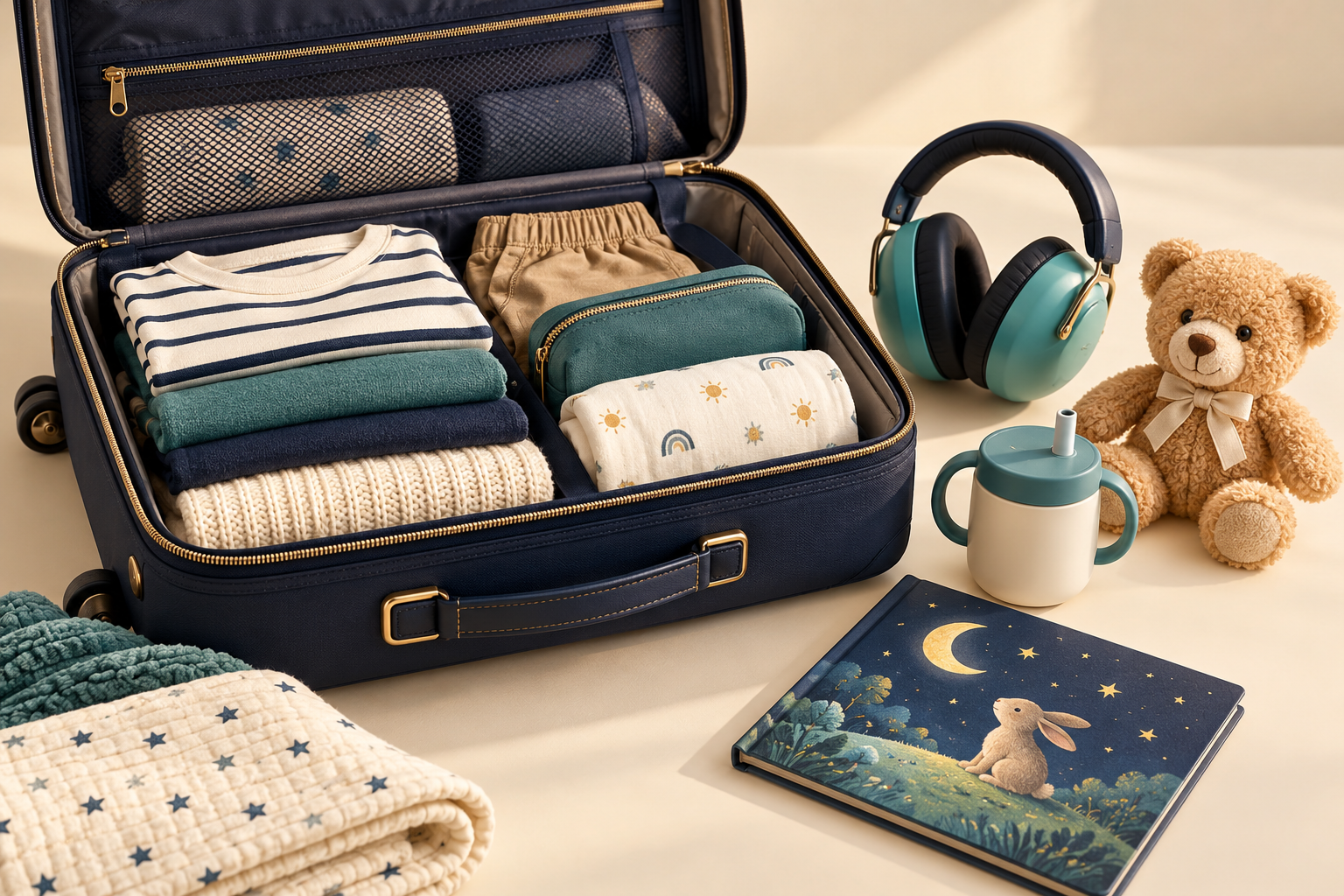
Autism Holiday Packing List: What to Bring for Your Child
When you’re packing for a holiday with an autistic child, a familiar cup, a favourite bedtime story or a pair of ear defenders might matter more than another outfit.
This autism holiday packing list is a starting point. Choose what helps your child, leave out what doesn’t and make room for the familiar things that matter to them.
At Worldwide Breaks, I start with the person, not the label. The same approach works when packing.
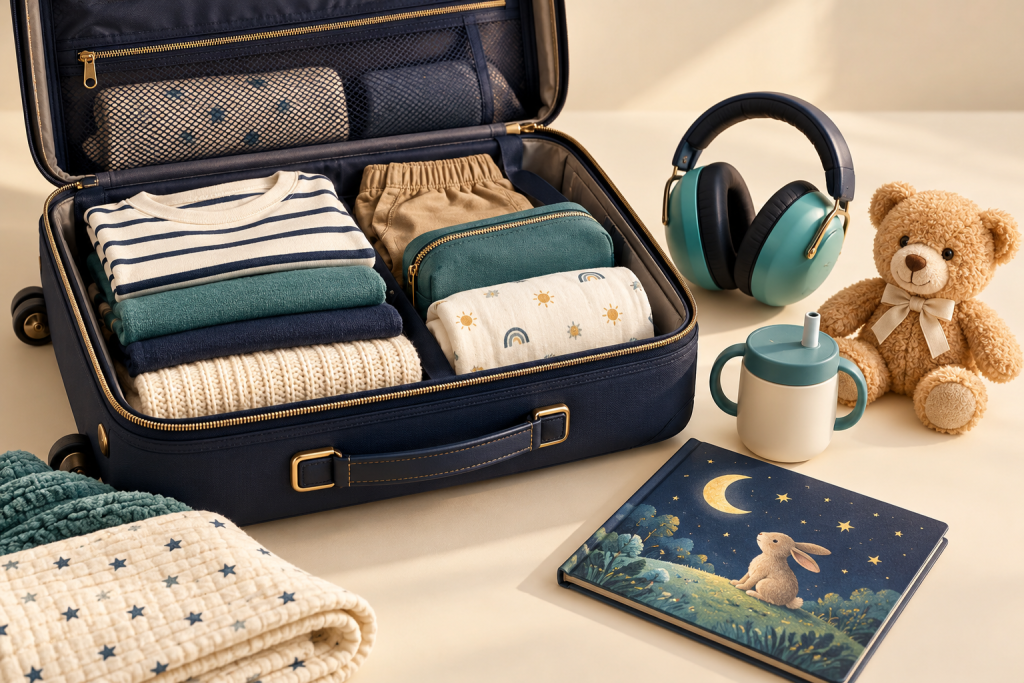
Start with what your child already uses
Think about the things your child uses at home, at school or when you are out together. A holiday does not need a whole new collection of sensory equipment.
Depending on your child’s preferences, useful items might include:
• Ear defenders or familiar headphones
• Sunglasses, a sun hat and comfortable clothing
• A favourite toy, comforter or bedtime book
• Preferred fidget toys or familiar activities
• A tablet with downloaded programmes, games or music
• Chargers and a suitable travel adaptor
• Communication cards, a communication device or other usual aids
• A visual timetable or “now and next” card, if your child uses one
Where possible, involve your child in choosing what comes with them. Something that looks unimportant to someone else may be an essential part of their day.
Keep journey essentials within easy reach. If a favourite item is difficult to replace, consider bringing a spare that your child already accepts.
Put journey essentials in hand luggage
Pack a manageable bag for travelling and the first few hours after arrival. Think about waiting as well as travelling, as queues, transfers and delays may mean needing these items for longer than expected.
Your hand-luggage checklist could include:
• Essential medication and any required documents
• Your child’s usual communication aids
• A favourite comfort item
• Ear defenders or headphones
• Familiar snacks, where permitted
• A refillable water bottle, following airport security rules
• A change of clothes for your child
• A spare top for you, if space allows
• Wipes, tissues and usual personal-care supplies
• A few preferred activities or downloaded entertainment
Keep frequently used items somewhere you can reach without emptying the whole bag.
Before flying, check your airline’s baggage requirements and the security rules at every airport you will use, including your return journey. Food and liquid rules can differ.
Check medication arrangements before you leave
Keep essential medication in your hand luggage so it remains accessible if checked bags are delayed.
Before travelling, check:
• Whether the medicine is permitted in your destination and any transit countries
• Whether you need a prescription copy, doctor’s letter or other documentation
• Any rules for liquid medication or medical equipment
• Storage requirements, including temperature control
• That you have enough medication for your stay and possible delays
Your pharmacist or prescribing clinician can advise on storage and documentation. Check destination restrictions with the relevant embassy or official government guidance, as some countries have different rules for medicines prescribed in the UK.
Pack a first-night bag
Arriving at unfamiliar accommodation can mean everyone is tired just when there is plenty to sort out. A separate first-night pouch can save you searching through every suitcase.
Include the things your child usually needs to settle in:
• Pyjamas
• A familiar bedtime book or toy
• Their usual toothbrush and preferred toiletries
• Any overnight personal-care supplies
• A familiar pillowcase, if useful and practical
• Clothes for the following morning
Keep an irreplaceable comfort item with you throughout the journey.
If your child needs particular sleeping arrangements or equipment, check the details with the accommodation provider before booking. Ask what is available for your specific stay and what you would need to bring.
You do not need to recreate home exactly. Focus on the familiar parts of your child’s evening routine that matter most to them.
Choose clothes for comfort
Pack clothes your child already feels comfortable wearing, with suitable options for the weather and activities you have planned.
If seams, labels, fabrics or fastenings cause discomfort, familiar clothes may be a better choice than new holiday outfits. Try new swimwear, shoes or sun hats at home first, if your child is comfortable doing so.
Useful items might include:
• Favourite everyday outfits
• Comfortable shoes your child has already worn
• Swimwear, if needed
• A sun hat or warmer layers, depending on your destination
• Familiar nightwear
• Spare underwear and socks
• A bag for wet or soiled clothing
The number of spare outfits you need will depend on your child, the length of your stay and whether laundry facilities are available. Check these arrangements before travelling if you expect to use them.
Think through food and drink
If your child has preferred foods, plan for the journey and the first part of your stay. Familiar snacks, a usual cup or preferred cutlery may be useful.
Before packing food, check the rules for your airports, airline and destination. Some countries restrict particular foods, even when they are for personal use.
Ask your accommodation provider:
• Is there a fridge or somewhere to prepare food?
• What food is available at mealtimes?
• Is there a nearby shop?
• Can specific dietary requirements be accommodated?
If a particular food is essential, check whether you can buy it locally rather than assuming it will be available. Brands, flavours and textures may differ from those your child knows at home.
Explain food preferences, allergies and medical dietary requirements clearly so the provider understands the arrangements your family needs. Confirm any essential arrangements before booking.
Do one final essentials check
Before closing your bags, divide your packing list into three groups:
• Essential: medication, communication aids, travel documents and key comfort items.
• Helpful: sensory supports, familiar activities, preferred clothing and bedtime items.
• Extras: spare chargers, additional snacks and backup items.
Agree who is carrying each essential item, especially if several adults are packing. Keep anything needed during the journey somewhere you can reach without unpacking everything.
For items you will use until the last minute, such as a favourite toy or communication device, leave yourself a reminder to pick them up before leaving home.
You do not need to prepare for every possible situation. Focus on what your child uses, what your holiday involves and what would be difficult to replace. Leave room to adjust your plans once you arrive.
Frequently asked questions
What should I pack in hand luggage for my autistic child?
Start with essential medication, communication aids, familiar comfort items, a change of clothes and preferred activities. Add snacks and drinks in line with the rules for your journey. Keep frequently used items within easy reach.
Should I bring familiar bedding?
A familiar pillowcase or another usual bedtime item may be worth bringing if your child finds it helpful. Check what the accommodation provides and choose items that are practical to carry.
How can I avoid overpacking sensory items?
Choose the items your child already uses most often. Think about when they might need them during the journey, at the accommodation and on days out. A few familiar favourites may be enough.
Should my child help with packing?
If they would like to, involve them in choosing familiar items or checking a simple packing list. Keep it suited to their preferences, without making participation another demand.
A holiday planned around your family
Packing is one part of preparing for a holiday. The journey, room arrangements, food and surroundings matter too.
I’m Duncan, an independent UK travel adviser at Worldwide Breaks. I help families consider these details when planning holidays for autistic children and children with SEN.
Tell me what matters to your family, including the small things. I’ll help you explore your options and ask the questions that matter before you book.
Start by sharing your routines, preferences and holiday ideas through my SEN & Autism Holiday Finder:
https://www.worldwidebreaks.online/sen-holiday-finder/
Your enquiry is free, with no obligation to book. You do not need to have everything worked out.
I start with the person, not the label.